
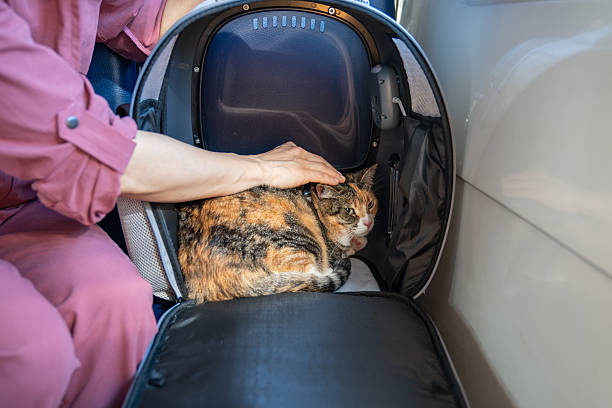
As cats age, their needs change. Senior cats may develop arthritis, reduced mobility, or vision challenges, making traditional cat furniture less suitable. Choosing the right furniture for older cats is essential to keep them comfortable, active, and safe. In 2025, many pet owners are seeking solutions that combine accessibility, comfort, and stimulation for aging felines. This guide will help you select the best cat furniture for older cats, offering practical tips, features to prioritize, and ideas to enhance your senior cat’s quality of life.
Why Special Cat Furniture Matters for Senior Cats
Older cats experience physical changes that affect how they move, play, and rest:
-
Reduced mobility: Jumping and climbing may become difficult.
-
Joint stiffness or arthritis: High platforms or narrow perches can be painful.
-
Decreased energy: Less active play and longer nap times are common.
-
Sensitivity to cold: Older cats benefit from warm, cushioned resting areas.
By selecting furniture designed for accessibility, you help senior cats remain active, maintain healthy behaviors, and enjoy comfortable rest. Thoughtful design also prevents injuries from falls or strenuous climbs.
Key Features to Prioritize
When choosing furniture for older cats, focus on comfort, safety, and ease of use:
-
Low Entry Points: Beds, hideaways, and platforms with minimal height reduce strain on joints.
-
Ramps and Steps: Gentle inclines help cats reach higher areas without jumping.
-
Soft and Supportive Surfaces: Cushioned beds or memory foam pads provide comfort for aging joints.
-
Sturdy Construction: Furniture should be stable, with wide bases to prevent tipping.
-
Non-Slip Surfaces: Textured mats or carpeted steps prevent slipping and injuries.
-
Warmth: Heated beds or insulated hideaways keep older cats comfortable in cooler climates.
-
Easy-to-Clean Materials: Older cats may shed more or have accidents, so removable covers or wipeable surfaces are ideal.
Recommended Types of Cat Furniture for Older Cats
1. Low-Height Cat Beds
Senior cats often prefer beds close to the ground. Look for beds with:
-
Soft cushions or memory foam
-
Slightly raised edges for gentle support
-
Easy access without jumping
These beds offer a cozy and safe resting area for cats with limited mobility.
2. Ramp-Accessible Cat Trees
While standard cat trees can be challenging for older cats, ramp-accessible models provide:
-
Gentle inclines instead of tall jumps
-
Multiple levels for climbing without strain
-
Integrated scratching posts at accessible heights
Ramp systems allow your cat to enjoy vertical spaces safely while promoting mild exercise.
3. Heated Beds or Pads
Temperature regulation becomes important as cats age. Heated beds provide:
-
Gentle warmth for stiff joints and muscles
-
Comfortable lounging spots during cold weather
-
Easy-to-clean covers for hygiene
Many heated beds use low-voltage heating, making them safe for indoor cats.
4. Enclosed Hideaways
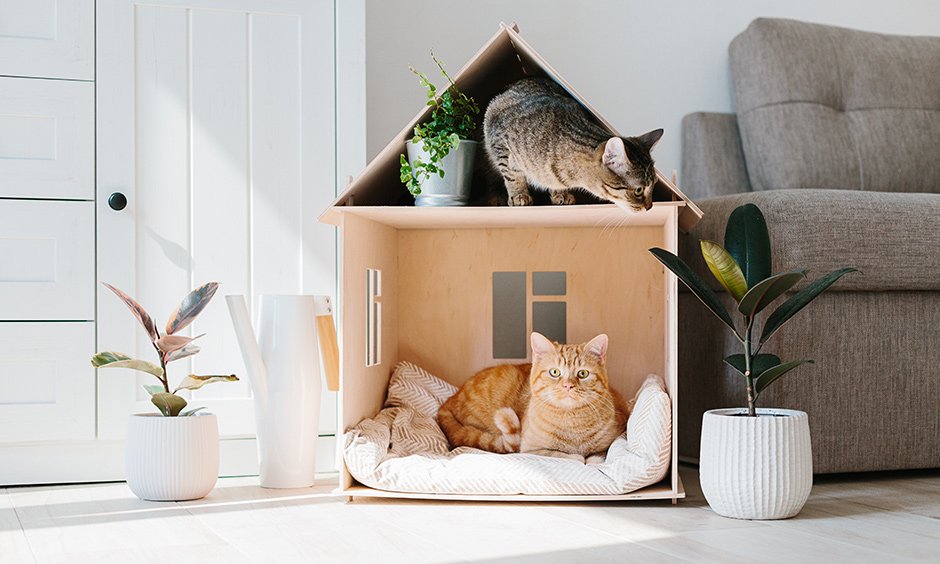
Older cats often appreciate quiet, secure spaces. Furniture such as enclosed cubbies or igloo-style beds offers:
-
Privacy and reduced stress
-
Protection from drafts and noise
-
Soft interiors for maximum comfort
Hideaways encourage restful sleep and give older cats a sense of security.
5. Wall-Mounted Shelves with Ramps
Wall-mounted shelves are perfect for cats who enjoy elevated perches but need easier access. Features to consider include:
-
Low-rise steps or ramps connecting shelves
-
Textured surfaces for traction
-
Sturdy brackets to prevent wobbling
These shelves maintain vertical exploration while accommodating mobility limitations.
Tips for Maintaining Accessibility
-
Observe Your Cat’s Preferences: Monitor which areas your senior cat uses frequently and adjust furniture placement accordingly.
-
Provide Multiple Levels of Access: Even short steps or ramps can help older cats reach favorite resting spots safely.
-
Ensure Stability: Avoid lightweight furniture that can tip easily. Secure multi-level pieces to walls or use wide bases.
-
Regularly Inspect Furniture: Check for loose screws, frayed ropes, or worn cushions to maintain safety.
-
Incorporate Play and Exercise: Gentle toys or interactive features at accessible heights encourage activity without overexertion.
Common Misconceptions About Senior Cat Furniture
-
“Older cats don’t need climbing furniture.” While senior cats may climb less, accessible ramps and low platforms provide mild exercise, which is beneficial for joint health.
-
“Any bed will do.” Soft, supportive surfaces reduce joint strain and improve comfort, making a noticeable difference for aging cats.
-
“Heated furniture is unnecessary.” Many older cats suffer from cold sensitivity or arthritis, and gentle warmth can relieve discomfort.
FAQ: Cat Furniture for Older Cats
Q1: Can ramps help cats with arthritis?
A1: Yes. Ramps reduce the need for jumping and minimize joint strain, allowing senior cats to access elevated areas safely.
Q2: How do I encourage my older cat to use new furniture?
A2: Place familiar bedding or toys on new furniture, offer gentle encouragement, and gradually introduce ramps or steps to make the experience comfortable.
Q3: Are heated beds safe for indoor cats?
A3: Yes. Look for low-voltage, pet-safe heated beds with automatic shutoff features for safety and energy efficiency.
Q4: Should I remove old furniture for safety?
A4: Not necessarily. Keep accessible pieces and supplement with low-height, safe alternatives. Remove anything unstable or overly high that may cause falls.
Q5: How often should I check furniture for wear?
A5: Inspect furniture monthly for loose screws, frayed ropes, or worn cushioning to maintain safety and comfort.
Conclusion
Choosing the right furniture for older cats is essential for their comfort, safety, and overall well-being. Prioritizing low entry points, ramps, supportive surfaces, and secure structures ensures your senior cat can access favorite areas without pain or stress. Heated beds, enclosed hideaways, and wall-mounted ramps provide warmth, security, and stimulation while preserving your home’s aesthetics.
By observing your cat’s needs and selecting furniture designed for accessibility, you can help your aging feline stay active, engaged, and comfortable. Thoughtful choices in senior cat furniture make a meaningful difference, allowing your beloved pet to enjoy their golden years safely and happily.