
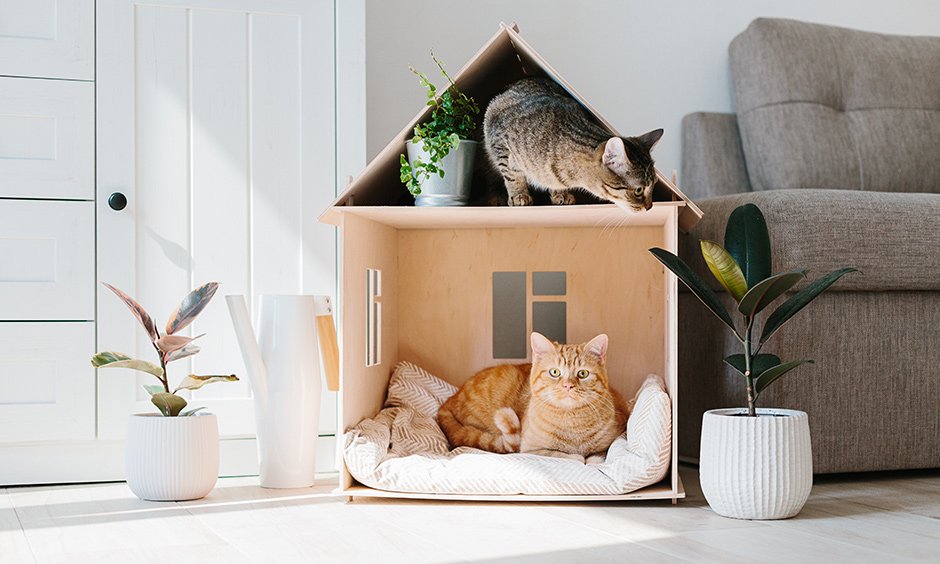
Bringing a cat into your home is a joyful experience—but equipping them with safe, enriching furniture doesn’t have to drain your wallet. Many pet owners believe quality cat furniture has to be expensive, but that’s simply not true. With a little creativity, smart shopping, and some DIY spirit, you can provide your feline friend with well-designed, functional furniture without breaking the bank. In this guide, we’ll explore budget‑friendly cat furniture ideas, practical DIY projects, and affordable shopping tips that deliver real value and comfort for your cat.
Why Affordable Doesn’t Mean Cheap Quality
When we talk about “affordable cat furniture,” it’s not about settling for flimsy or unsafe products. Instead, it’s about making smart choices: using the right materials, repurposing what you already have, and prioritizing durability. Cats need stable structures to climb, durable surfaces to scratch, and cozy nooks for rest. Investing thoughtfully means your cat remains engaged, safe, and happy—and you don’t constantly replace cheap items.
Many low‑cost cat furniture ideas rely on materials like sisal rope, scrap wood, or cardboard. These materials can be very high quality when used correctly. In fact, professionally made posts often use sisal specifically because it’s long lasting and satisfying for a cat’s claws. And DIY plans from reputable sources show how you can build stable, durable pieces with basic tools.
DIY Cat Furniture That Won’t Cost a Fortune
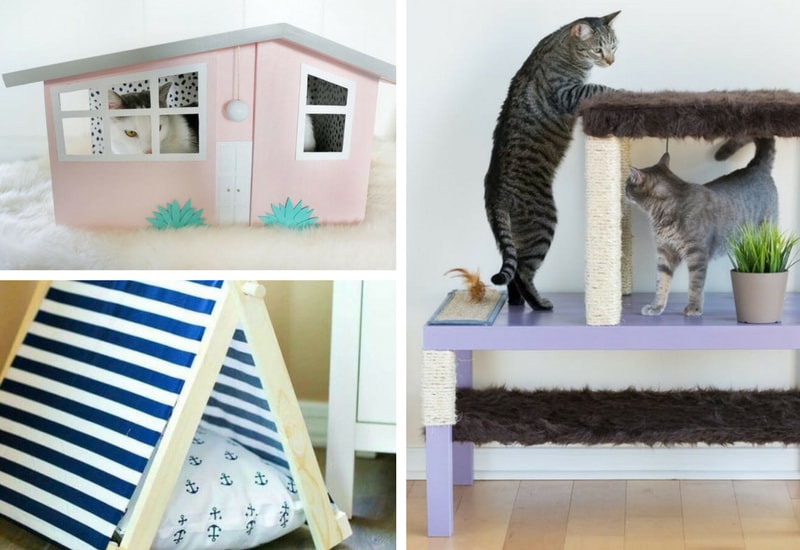
One of the best ways to save money while maintaining quality is by building cat furniture yourself. Here are some creative and practical DIY ideas:
1. DIY Sisal Scratching Post
A classic and very effective project: use a solid wooden post and wrap it with sisal rope. Purina’s guide shows how to do this safely. Purina Start with untreated wood (like a 4×4), secure it to a stable base, and tightly wind sisal rope around the post. Finish it off neatly, and you get a long-lasting scratching post for a very modest cost.
2. Cardboard Scratch Towers or Pads
Corrugated cardboard is one of the cheapest materials you can use—and cats love it. The Humane Society’s DIY guide uses cardboard disks or strips glued together to make a stable scratching post. You can even build a tower by stacking the cardboard, or make a flat pad your cat can stretch on.
3. Upcycled Wooden Crate Bed
If you have wooden crates lying around (or pick some from thrift stores), they can make cozy cat beds. Simply sand any rough edges, add a soft cushion or blanket, and you have a homey nook for your cat. This method costs very little and gives new life to unused materials.
4. Branch-Based Cat Tree
Use a sturdy, fallen branch as the core of a climbing tree: secure the branch to a plywood base, wrap parts of it with sisal rope, and add platforms covered in fabric or carpet. This gives you a natural, rustic cat tree at far lower cost than many commercial options.
5. Wall Shelves for Vertical Play
If space is tight, DIY wall-mounted cat shelves can work wonders. Using scrap wood, brackets, and carpet or fabric, you can create a vertical playground for your cat. purrypal.com This is economical, takes up little floor area, and satisfies your cat’s climbing instincts.
6. Simple Ladder Scratch Post
Another clever DIY: take a small wooden ladder and wrap its legs in sisal rope using craft glue. The Cat Protection Society provides a guide showing this design, which adds both a scratching surface and a playful texture.
Smart Shopping Tips for Budget but Quality Furniture
If you prefer buying rather than building, there are still plenty of ways to keep costs low without sacrificing functionality or durability.
-
Focus on core materials: Prioritize posts or surfaces made with sisal rope or high-quality wood rather than carpet or flimsy fabric. Sisal is more durable and safer.
-
Look for sales and clearance: Many pet stores or general furniture retailers offer seasonal discounts. Brands like Ikea (with its LURVIG line) often produce stylish, pet‑friendly furniture at lower prices.
-
Buy modular or single-piece parts: Instead of going for a very complex cat tree, start with a simple post or perch. You can always expand later if needed.
-
Refurbish used furniture: If you have an old shelf or stand, you can convert it into a cat tree or platform using sisal and cushions—much cheaper than buying new.
Why These Affordable Ideas Still Deliver Quality
-
Durability: Using sisal rope or solid wood ensures the furniture can endure scratching and climbing.
-
Safety: DIY designs can be made with untreated wood and pet-safe adhesives—no harmful chemicals.
-
Customization: You can tailor the size, height, and shape to your cat’s needs and your space.
-
Replaceability: For a DIY sisal post, you can re-wrap the rope when it wears out—much cheaper than buying a whole new tree. As one Reddit user shared.
Common Questions (FAQ)
Q1: Is cardboard scratching furniture really safe and durable?
A1: Yes—cardboard scratching surfaces are among the cheapest and still effective alternatives. However, they wear out faster than sisal or wood, so they may need to be replaced more often.
from a branch or ladder?
A2: Very likely. Cats enjoy variety in texture and height. Encouraging them with toys, catnip, or placing the post near a favorite spot helps them adopt it. Many cat behavior guides recommend this.
Q3: How can I make sure my DIY cat tree is stable?
A3: Use a wide, heavy base (like plywood), secure posts properly with screws or brackets, and always use untreated wood and non-toxic glue for safety. Redfin
Q4: Do I need special tools for DIY cat furniture?
A4: Not always. Basic tools like a drill, saw, staple gun, or glue gun will suffice for many DIY projects. Some simple scratchers need only cardboard, glue, and a utility knife.
Q5: How often should I replace or refurbish my cat furniture?
A5: It depends on use. Scratchers wrapped in sisal may last many months or even years, especially if you re-wrap the rope. Cardboard scratchers will need more frequent replacement. Regularly inspect for wear to ensure safety.
Conclusion
“Affordable” doesn’t have to mean “low-quality” when it comes to cat furniture. With clever DIY projects, smart repurposing, and thoughtful shopping, you can build or buy functional and safe pieces that support your cat’s natural behaviors—without spending a fortune.
Whether you wrap a wooden post in sisal, build a cardboard tower, or repurpose a crate into a cozy bed, these budget-friendly ideas give your feline the climbing, scratching, and resting spaces they need. And because you’re investing in good materials and smart design, your cat furniture will be durable and reliable.
By combining thriftiness with quality, you’re not only saving money—you’re creating a rich and stimulating environment that both you and your cat will appreciate for years.