
Grooming your cat at home is an essential part of keeping them healthy, comfortable, and happy. While cats are naturally clean animals, even the most fastidious feline can benefit from regular attention from their owners. Grooming not only ensures a shiny and tangle-free coat but also allows you to monitor your cat’s overall health. For beginners, the process can seem overwhelming, but with patience and consistency, home grooming can become an enjoyable routine for both you and your cat.
Why Home Grooming is Important
Regular grooming goes beyond appearances. Brushing your cat removes loose hair, prevents mats and tangles, and reduces hairballs. It also stimulates blood circulation and distributes natural oils across the skin, promoting a healthy and soft coat. Grooming sessions are a great opportunity to check for lumps, bumps, or signs of parasites like fleas and ticks. Cats with longer hair, in particular, require extra attention to avoid painful mats and skin infections. Beyond the physical benefits, grooming strengthens the bond between you and your cat, creating a moment of trust and care.
Preparing the Right Tools
Before you start grooming, it’s essential to have the proper tools. A quality brush or comb is necessary, and the type you choose should match your cat’s fur. Long-haired cats benefit from slicker brushes that reach deep into the coat, while short-haired cats do well with soft bristle brushes. Nail clippers designed for cats help safely maintain their claws, reducing the risk of scratches. If a bath is needed, only use cat-specific shampoos, as human products can irritate their skin. Grooming wipes are helpful for quick clean-ups between full grooming sessions. Finally, a towel and a non-slip mat ensure your cat feels secure during the process.
Creating a Calm Environment
Cats are sensitive creatures, and their comfort is key to successful grooming. Choose a quiet room with minimal distractions and speak in a gentle, reassuring tone. Avoid sudden movements or loud noises that might startle your cat. Some cats respond well to a short period of petting or playing before grooming, helping them relax. For bathing, make sure the room is warm and that all supplies are within reach, so the process is smooth and stress-free. Creating a calm environment helps your cat associate grooming with positive experiences rather than fear or anxiety.
Brushing Your Cat
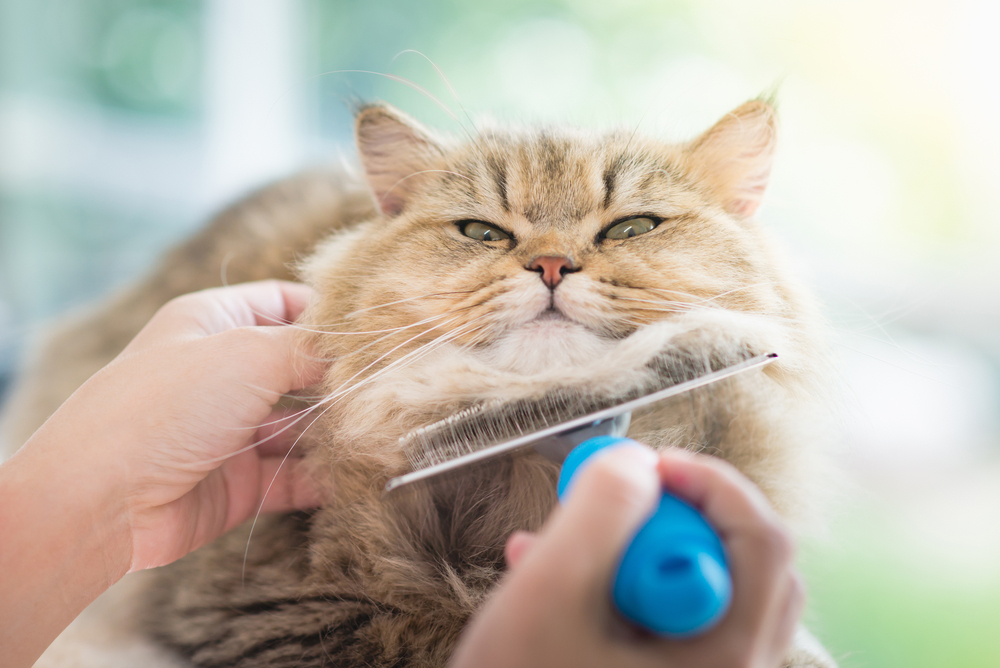
Brushing is the foundation of home grooming and should be done regularly. Begin slowly, letting your cat inspect the brush and get comfortable with it. Use gentle strokes, following the natural direction of their fur. Pay attention to areas that are prone to tangles, such as behind the ears, under the legs, and around the neck. For cats with long hair, it may be necessary to work in small sections, holding the fur gently to avoid pulling on the skin. Short-haired cats require less frequent brushing, but even they benefit from regular removal of loose hairs to reduce shedding. The key is patience and consistency—over time, your cat will become more accustomed to the routine.
Bathing Your Cat
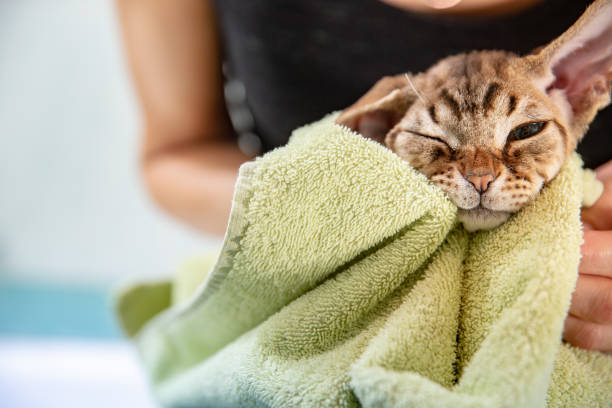
While many cats dislike water, occasional baths can be necessary, especially for cats with long or particularly dirty coats. Use lukewarm water and a cat-safe shampoo. Wet your cat gradually, avoiding the face, and lather gently from the neck down. Rinse thoroughly to ensure no residue remains, as leftover shampoo can irritate the skin. After the bath, wrap your cat in a towel and gently pat them dry. Some cats tolerate blow-drying on a low, cool setting, but many prefer air drying in a warm, draft-free room. Bathing should be approached carefully to minimize stress and ensure safety for both you and your cat.
Nail Trimming and Ear Cleaning
Regular nail trimming is crucial to prevent overgrowth and reduce the risk of injury. Only trim the transparent part of the nail, avoiding the pink quick, which contains blood vessels. If your cat resists, trim just one or two nails at a time and gradually build tolerance. Ear cleaning is also an important part of grooming. Use a soft, damp cloth or cotton ball to wipe the outer ear gently. Avoid inserting anything into the ear canal, as this can cause injury. Regular checks help prevent infections and maintain overall ear health.
Maintaining a Routine
Consistency is key to successful home grooming. Establish a routine that fits your schedule and your cat’s temperament. Daily or weekly brushing can prevent mats and tangles, while nail trimming and occasional baths can be incorporated as needed. Observing your cat during grooming sessions will help you detect changes in behavior, coat condition, or skin health. Over time, grooming will become a natural part of your care routine, and your cat will be more relaxed and cooperative.
FAQ Section
How often should I groom my cat at home?
The frequency of grooming depends on your cat’s coat type. Long-haired cats may require daily brushing, while short-haired cats can often be brushed once or twice a week. Nail trimming and ear checks should be done regularly, usually every few weeks.
What should I do if my cat hates grooming?
Start slowly and make grooming a positive experience with gentle petting and treats. Begin with short sessions and gradually increase the time. If necessary, focus on one area at a time until your cat becomes more comfortable.
Can I use human shampoo on my cat?
No, human shampoos are not safe for cats. Their skin has a different pH balance, and human products can cause irritation or dryness. Always use shampoo specifically formulated for cats.
How can I prevent hairballs?
Regular brushing reduces loose hair that your cat might ingest. Feeding a hairball-control diet and providing plenty of water also helps. Frequent grooming, especially for long-haired cats, is the most effective preventive measure.
Is it safe to trim my cat’s nails at home?
Yes, with proper technique. Trim only the transparent tip of the nail, avoiding the quick. If you’re unsure or your cat is very resistant, ask a veterinarian or professional groomer for guidance.
Conclusion
Grooming your cat at home is not just about keeping them looking good—it is an essential part of their health and well-being. By creating a calm environment, using the right tools, and establishing a consistent routine, you can make grooming a positive experience for both you and your feline friend. Regular brushing, careful bathing, and proper nail and ear care prevent health problems and strengthen the bond between you and your cat. With patience, practice, and attention, grooming at home can become a simple, enjoyable part of caring for your beloved pet.