
Grooming is an essential part of cat care, but many pet owners struggle with determining how often their feline friend should be groomed. Cats are known for their meticulous self-cleaning habits, yet regular grooming by their owners plays a crucial role in maintaining a healthy coat, preventing hairballs, and monitoring overall health. The frequency of grooming depends on several factors, including your cat’s breed, coat length, age, and health status. Following expert recommendations ensures that your cat stays comfortable, clean, and happy.
Understanding the Importance of Grooming
Even though cats spend a large portion of their day cleaning themselves, they cannot always manage every aspect of grooming effectively. Regular brushing removes loose fur, prevents tangles, reduces shedding, and minimizes the formation of hairballs. Grooming sessions also provide an opportunity to check your cat for signs of skin issues, parasites, or injuries. For cats with long hair or thick undercoats, professional and at-home grooming can prevent painful mats and discomfort. Overall, grooming contributes not only to a cat’s appearance but also to their physical well-being.
Factors That Influence Grooming Frequency
The frequency of grooming largely depends on your cat’s individual characteristics. Short-haired cats generally require less frequent brushing, usually once or twice a week, to remove loose hairs and distribute natural oils across the skin. Long-haired cats, on the other hand, need daily or at least several times per week grooming to prevent mats, tangles, and excessive shedding. Age and health conditions also play a role. Senior cats or those with limited mobility may struggle to groom themselves properly, requiring more frequent attention from their owners. Cats with skin conditions or sensitivities may also benefit from gentle, consistent grooming sessions to maintain coat and skin health.
Grooming Techniques for Different Coat Types
Short-haired cats benefit from gentle brushing with a soft bristle brush, which removes loose hairs and stimulates circulation without causing discomfort. For long-haired breeds, slicker brushes and combs are more effective in preventing tangles and mats. Grooming should always be done in the direction of hair growth to avoid pulling on the skin. Regularly checking common problem areas such as behind the ears, under the legs, and around the belly ensures that mats and debris are addressed promptly. Using the correct tools and techniques not only keeps your cat’s coat smooth and shiny but also makes grooming a positive experience.
Bathing and Hygiene Considerations
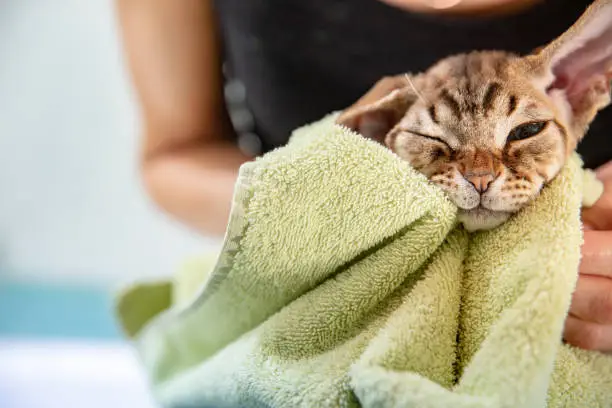
Most cats do not require frequent baths, as their natural grooming habits are usually sufficient. However, occasional baths can be beneficial, particularly for long-haired cats or those who get into messy situations. When bathing your cat, always use a shampoo formulated for feline skin and avoid submerging them fully if they are anxious. Lukewarm water and gentle handling are essential for a stress-free experience. Toweling and careful drying afterward prevent chills and ensure the coat dries properly. Expert recommendations suggest bathing only when necessary, complementing regular brushing rather than replacing it.
Nail Care and Ear Maintenance
Grooming extends beyond the coat. Regular nail trimming is crucial to prevent overgrowth, reduce scratching injuries, and maintain paw health. Trim only the transparent tip of the nail to avoid the quick and minimize discomfort. Cleaning the ears with a soft, damp cloth or cotton ball helps prevent wax buildup and infections. Monitoring your cat’s paws and ears during grooming sessions ensures early detection of issues that might otherwise go unnoticed.
Establishing a Consistent Grooming Routine
Consistency is key when it comes to grooming. Short-haired cats typically benefit from weekly brushing, while long-haired cats often need daily attention. Creating a predictable routine helps your cat become accustomed to grooming and reduces anxiety. Choose a quiet, comfortable environment and speak softly during the process. Offering treats or gentle petting can reinforce positive behavior, making future grooming sessions easier. Building a consistent routine also allows you to monitor changes in your cat’s coat or skin, helping identify potential health issues early.
Signs Your Cat Needs More Frequent Grooming
Certain signs indicate that your cat may require more frequent grooming than usual. Excessive shedding, mats forming quickly, or a dull, greasy coat suggests that brushing should be done more often. Hairballs or vomiting due to ingested fur may also indicate the need for more regular attention. Cats with medical conditions, obesity, or limited mobility may struggle to groom themselves properly and benefit from daily assistance. Paying attention to your cat’s behavior and coat condition helps you adjust your grooming schedule to their specific needs.
FAQ Section
How often should I groom a short-haired cat?
Short-haired cats usually benefit from brushing once or twice a week. Occasional nail trimming and ear checks should also be incorporated into their grooming routine.
Do long-haired cats need daily grooming?
Yes, daily brushing is recommended for long-haired cats to prevent tangles, mats, and excessive shedding. Regular grooming also reduces hairballs and keeps the coat healthy.
Can senior cats groom themselves properly?
Older cats may have difficulty grooming due to limited mobility, arthritis, or other health issues. These cats often need more frequent brushing and occasional baths to maintain coat and skin health.
How can I tell if my cat is overgroomed or undergroomed?
Signs of undergrooming include mats, tangles, hairballs, and a dull coat. Overgrooming may be indicated by bald patches, redness, or irritated skin. Monitoring grooming habits helps identify problems early.
Is it necessary to take my cat to a professional groomer?
Professional grooming is helpful for cats with severe mats, thick undercoats, or those who resist home grooming. It ensures safe and effective care without causing stress or injury.
Conclusion
Knowing how often to groom your cat is essential for their health and comfort. While short-haired cats may require weekly attention, long-haired or senior cats benefit from daily or frequent grooming. Brushing, occasional baths, nail care, and ear maintenance all play a crucial role in keeping your cat clean, healthy, and happy. By understanding your cat’s individual needs and establishing a consistent grooming routine, you can prevent common problems like mats, hairballs, and skin irritation. Regular grooming not only maintains a beautiful coat but also strengthens the bond between you and your feline companion, creating a happier and healthier life for your cat.