
Choosing the right cat food isn’t just about picking a brand—understanding the ingredients is equally important. Many pet owners are confused by labels full of technical terms, filler ingredients, and chemical additives. Knowing what’s safe and what to avoid can help you provide a healthier diet, prevent allergies, and support your cat’s long-term well-being. This guide breaks down common cat food ingredients, explains their roles, and helps you make informed choices for your feline companion.
Protein Sources: The Foundation of Cat Nutrition
Cats are obligate carnivores, meaning protein is the most critical component of their diet. High-quality animal proteins like chicken, turkey, beef, fish, or lamb provide essential amino acids, including taurine, which is vital for heart and eye health. Look for cat foods that list real meat as the first ingredient.
Avoid vague terms like “meat by-products” or “animal digest,” as these can include lower-quality parts of the animal. While protein is essential for all life stages, kittens and active adult cats may require higher protein levels, while senior cats need easily digestible protein to maintain muscle mass.
Carbohydrates: Fuel, but in Moderation
Carbohydrates aren’t a primary nutritional need for cats, but they can provide energy and help bind kibble. Common sources include rice, corn, wheat, and barley. Moderate amounts of whole grains can support digestion, but high carbohydrate content may contribute to obesity, especially in indoor or low-activity cats.
Avoid cat foods that rely heavily on fillers like corn gluten meal or wheat by-products. These provide calories without essential nutrients and can sometimes trigger allergies. Choosing formulas with balanced carbohydrates ensures your cat gets energy without unnecessary weight gain.
Fats and Fatty Acids: Essential for Skin and Coat Health
Fats are concentrated energy sources and provide essential fatty acids, including omega-3 and omega-6. These nutrients support a healthy coat, skin, brain function, and immune system. Chicken fat, fish oil, and flaxseed are commonly added for their beneficial fatty acids.
Avoid hydrogenated fats or overly processed oils, which can harm long-term health. Properly balanced fats contribute to shiny fur, healthy skin, and maintain your cat’s energy levels.
Vitamins and Minerals: Key for Overall Wellness
Vitamins and minerals are critical for immune function, bone health, and overall metabolism. Common vitamins include A, D, E, and B-complex, while essential minerals include calcium, phosphorus, potassium, and magnesium. These are often added in precise amounts to ensure the cat food meets nutritional standards.
Avoid foods with excessive artificial vitamin additives or unclear labeling. High-quality cat foods maintain safe levels, ensuring proper growth, energy, and overall health.
Additives, Preservatives, and Artificial Ingredients
Many cat foods include preservatives to extend shelf life. Safe preservatives include mixed tocopherols (vitamin E) and ascorbic acid (vitamin C). Artificial colors, flavors, and chemical preservatives like BHA or BHT should be avoided, as they offer no nutritional benefit and may cause health issues.
Reading labels carefully allows you to choose foods free from unnecessary additives, reducing your cat’s exposure to potentially harmful chemicals.
Fiber: Supporting Digestive Health
Fiber helps regulate digestion and can reduce hairballs. Common sources include beet pulp, psyllium husk, and cellulose. Moderate fiber supports healthy bowel movements and gut microbiome balance.
Avoid cat foods with excessive or poorly digestible fillers labeled simply as “fiber” or “cellulose,” as they can interfere with nutrient absorption. Well-balanced fiber ensures your cat maintains healthy digestion without bloating or discomfort.
Wet vs Dry Ingredients: Hydration and Nutritional Impact
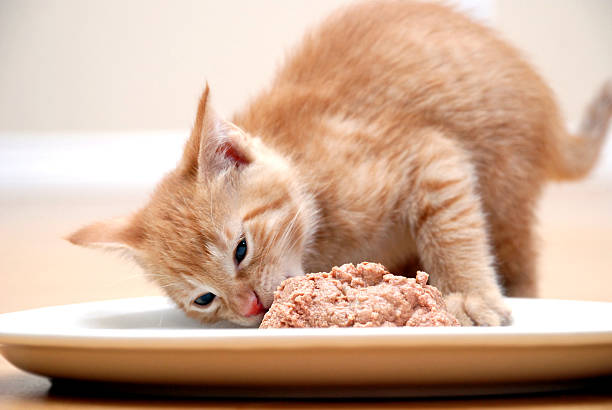
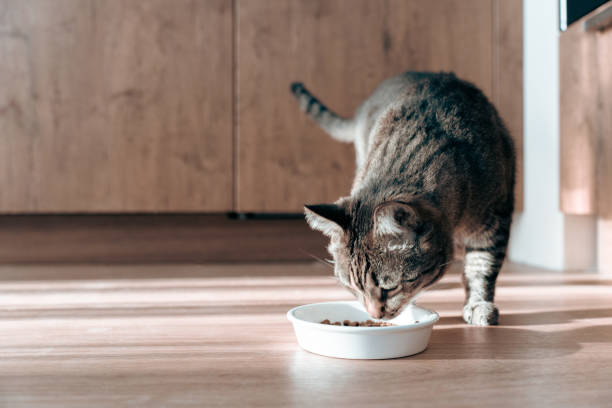
Wet cat food ingredients often contain higher moisture levels, which support hydration and help prevent urinary tract issues. Dry cat food ingredients are more concentrated and shelf-stable but require your cat to drink more water. Understanding the ingredient list and moisture content helps you decide which type of food is best for your cat’s lifestyle and health needs.
Ingredients to Avoid for Cats
-
Artificial Colors and Flavors – No nutritional benefit, may trigger allergies.
-
Excessive Fillers – Corn, wheat, soy in high amounts offer little nutrition.
-
By-Products – Unclear sourcing can include low-quality or unsafe parts.
-
Chemical Preservatives – BHA, BHT, and ethoxyquin may pose long-term risks.
-
Sugars or Sweeteners – Cats don’t need sugar, and it can lead to obesity.
Focusing on clear, high-quality ingredients ensures your cat’s diet supports health, energy, and longevity.
Frequently Asked Questions About Cat Food Ingredients
1. Is it safe if a cat food lists “chicken by-products”?
Occasionally yes, but it’s better to prioritize real meat as the first ingredient. By-products can be variable in quality.
2. Are grains harmful for cats?
Not for most cats. Whole grains in moderation are safe, but avoid excessive filler grains with little nutritional value.
3. Can artificial preservatives cause health issues?
Some chemical preservatives may have long-term risks, so opt for foods preserved naturally with vitamin E or C.
4. How important are fatty acids in cat food?
Very important. Omega-3 and omega-6 support skin, coat, brain, and immune health. Look for fish oil or chicken fat as a source.
5. How can I read ingredient labels effectively?
Look for real meat first, balanced protein and fat, moderate carbs, fiber sources, and natural preservatives. Avoid vague terms or unnecessary additives.
Conclusion
Understanding cat food ingredients is essential for providing a healthy, balanced diet. High-quality proteins, moderate carbohydrates, healthy fats, essential vitamins, minerals, and safe preservatives form the foundation of good nutrition. Avoid artificial colors, chemical preservatives, excessive fillers, and unclear by-products. Reading labels carefully, considering life stage and health conditions, and consulting your veterinarian ensures your cat receives the best possible nutrition. By making informed choices, you can support your cat’s health, energy, and longevity while avoiding ingredients that may harm their well-being.