
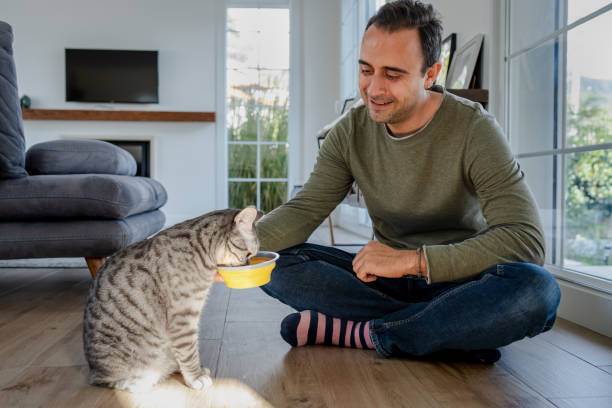
In 2025, organic and grain-free cat food has become increasingly popular, often marketed as healthier and superior to traditional cat food. Pet owners are eager to provide their cats with the best nutrition, but it’s important to understand what these terms really mean and whether these foods truly benefit your feline companion. This guide examines the pros and cons of organic and grain-free cat foods, helping you make informed decisions for your cat’s health.
What Does Organic Cat Food Mean?
Organic cat food is made from ingredients grown without synthetic pesticides, herbicides, or genetically modified organisms (GMOs). Organic certification ensures that the ingredients meet strict standards for quality and safety.
Many pet owners choose organic foods to avoid chemical residues, support environmental sustainability, and provide a diet closer to natural sources. Organic cat food often uses high-quality proteins and wholesome ingredients, which can be beneficial for cats with sensitivities or allergies.
However, organic cat food is typically more expensive than conventional options, and not all organic products are nutritionally complete. It’s essential to check labels for balanced nutrition that meets your cat’s life stage requirements.
Understanding Grain-Free Cat Food
Grain-free cat food eliminates common grains such as wheat, corn, and rice, replacing them with alternative carbohydrate sources like peas, potatoes, or lentils. The concept is designed to mimic a cat’s natural carnivorous diet, which contains minimal grains.
Grain-free formulas can be helpful for cats with food allergies or digestive sensitivities. Some cats may experience improved digestion, reduced vomiting, and healthier skin and coat on grain-free diets. However, grain-free does not automatically mean better nutrition. Many grain-free foods still contain high levels of carbohydrates from legumes or potatoes, which may contribute to weight gain if overfed.
Potential Benefits of Organic and Grain-Free Foods
-
High-Quality Ingredients: Both organic and grain-free foods often use better-quality proteins and fewer fillers.
-
Fewer Allergens: Grain-free options reduce exposure to common allergens like wheat and corn.
-
Improved Digestibility: Some cats with sensitive stomachs digest organic and grain-free foods more easily.
-
Better Skin and Coat Health: High-quality proteins and fatty acids in these foods support shiny coats and healthy skin.
These benefits can be particularly noticeable for cats with allergies, digestive problems, or picky appetites.
Possible Drawbacks and Considerations
-
Cost: Organic and grain-free foods are often more expensive than traditional formulas.
-
Nutritional Balance: Not all grain-free foods are nutritionally complete. Some may contain excessive carbohydrates or imbalanced minerals.
-
Misleading Marketing: Terms like “natural” or “premium” don’t always guarantee better nutrition. Always read the ingredient list and feeding guidelines.
-
Potential Health Risks: Certain grain-free diets with high legumes or pulses have been linked to heart issues in some cats. Veterinary guidance is essential before switching diets.
Understanding these potential drawbacks helps you weigh whether these foods are worth the hype for your individual cat.
Who Might Benefit from Organic or Grain-Free Cat Food?
-
Cats with Allergies or Food Sensitivities: Grain-free diets can reduce reactions to common allergens.
-
Picky Eaters: High-quality proteins and natural flavors may increase palatability.
-
Cats with Digestive Issues: Organic ingredients and high-quality proteins can improve digestion and stool quality.
-
Owners Prioritizing Sustainability: Organic farming practices are often more environmentally friendly.
However, many healthy cats thrive on standard, high-quality cat foods without organic or grain-free labels. These diets can also provide complete nutrition at a lower cost.
Tips for Choosing the Right Cat Food
-
Check Protein Sources: Look for named meats like chicken, turkey, or fish as the first ingredient.
-
Read Nutritional Labels: Ensure the food meets AAFCO standards for complete and balanced nutrition.
-
Consult Your Veterinarian: Particularly important for cats with health issues or dietary restrictions.
-
Monitor Your Cat: Watch for changes in weight, coat, digestion, and energy after switching diets.
-
Avoid Relying Solely on Marketing Terms: Organic or grain-free claims don’t guarantee quality; ingredients and nutritional content matter most.
Frequently Asked Questions About Organic and Grain-Free Cat Food
1. Is grain-free food better for all cats?
Not necessarily. Only cats with specific allergies or digestive issues may benefit. Many healthy cats do well on traditional high-quality diets.
2. Does organic mean more nutritious?
Organic indicates how ingredients are grown, not necessarily higher nutrition. Check labels for protein, fat, vitamins, and minerals.
3. Can switching to organic or grain-free prevent health problems?
It may help with allergies or digestion in sensitive cats, but it won’t automatically prevent obesity, diabetes, or other common issues.
4. How should I transition my cat to a new diet?
Gradually mix the new food with the old food over 7–10 days to prevent digestive upset. Monitor appetite, stool, and energy.
5. Are organic and grain-free foods worth the extra cost?
They can be beneficial for specific health needs, but for many cats, high-quality conventional foods provide complete nutrition at a lower price.
Conclusion
Organic and grain-free cat foods have grown in popularity due to their focus on high-quality ingredients, fewer allergens, and digestibility. They can be particularly beneficial for cats with allergies, sensitivities, or picky appetites. However, these diets are not automatically superior for all cats and can be more expensive. Understanding ingredient lists, ensuring nutritional completeness, and consulting your veterinarian are key to making the right choice. By evaluating your cat’s individual health, lifestyle, and preferences, you can decide whether organic or grain-free options are truly worth the hype in 2025.