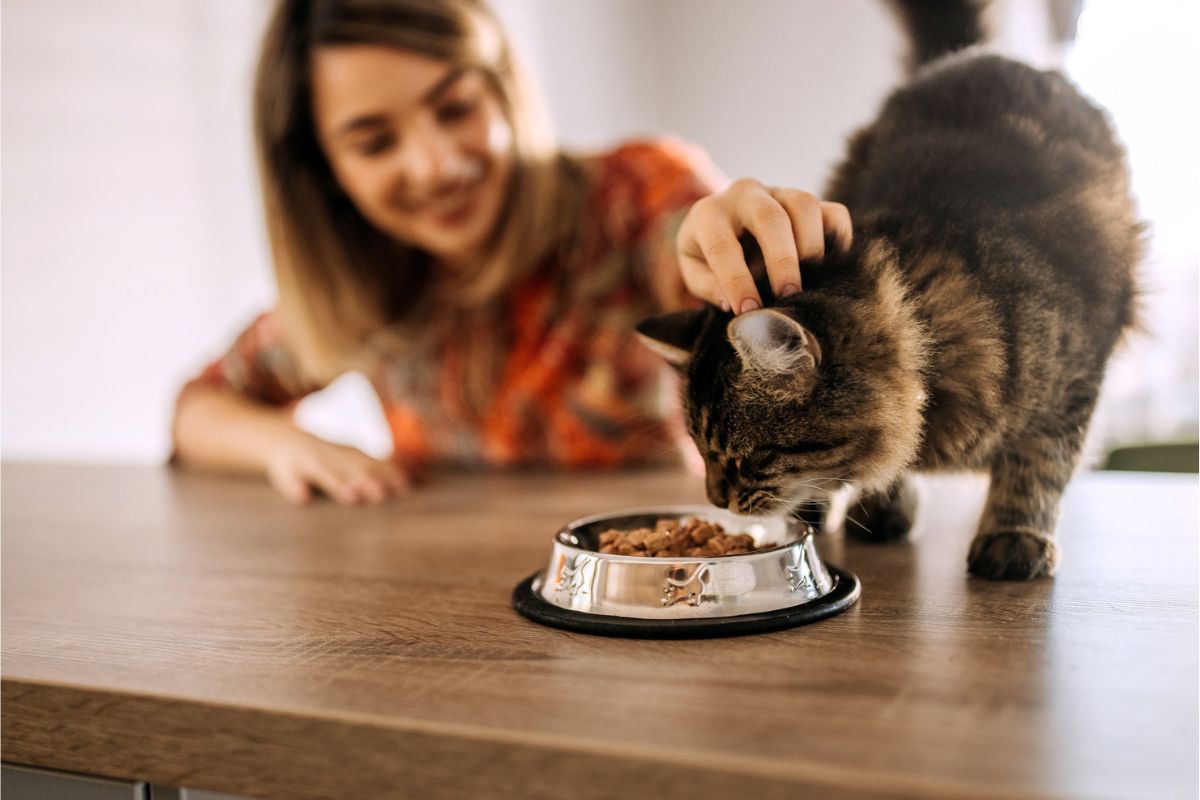

Hairballs are a common problem for cat owners, especially those with long-haired or heavy-shedding breeds. While cats are meticulous groomers, ingesting loose hair while cleaning themselves can lead to hairballs, vomiting, and digestive discomfort. Managing hairballs requires a combination of regular grooming, proper diet, and preventive care. By understanding why hairballs form and learning effective grooming strategies, you can reduce shedding and keep your cat healthy and comfortable.
Understanding Hairballs and Shedding
Cats naturally shed fur as part of their growth cycle, and daily grooming helps remove loose hairs. When cats ingest these hairs during self-grooming, some pass through the digestive system, but others accumulate in the stomach, forming hairballs. Hairballs can be more frequent in long-haired breeds or during seasonal shedding periods. While occasional hairballs are normal, excessive hairballs or digestive issues may indicate the need for better grooming practices or dietary adjustments. Reducing shedding not only minimizes hairball formation but also keeps your home cleaner and your cat more comfortable.
Regular Brushing to Reduce Shedding
Brushing is the most effective way to manage shedding and prevent hairballs. Short-haired cats typically benefit from brushing once or twice a week, while long-haired cats require daily attention. Use the appropriate brush for your cat’s coat type—slicker brushes are ideal for long-haired breeds, and soft bristle brushes work well for short-haired cats. Regular brushing removes loose hair before it can be ingested, reducing the likelihood of hairballs. It also stimulates circulation, distributes natural oils, and keeps the coat shiny and healthy. Consistency is key, and establishing a daily or weekly grooming routine ensures your cat’s fur remains manageable.
Bathing and Hair Maintenance
While cats generally groom themselves, occasional baths can help remove excess hair and reduce shedding. Use cat-safe shampoo and lukewarm water, and wet the coat gradually to minimize stress. Lather gently and rinse thoroughly to prevent irritation. After bathing, towel-dry the cat and comb through the fur to remove any remaining loose hairs. Bathing is particularly beneficial for long-haired cats or those with dense undercoats. Regular baths, combined with brushing, help maintain a clean, smooth coat and reduce the volume of fur your cat ingests during self-grooming.
Dietary Considerations for Hairball Control
Diet plays an important role in hairball prevention. Some cat foods are formulated with fiber or ingredients that help hair pass through the digestive system more easily. Feeding your cat a balanced diet that supports healthy skin and fur reduces excessive shedding. Hydration is also important—cats that drink enough water maintain healthier coats, which shed less. Consult your veterinarian to select the best diet for your cat, especially if hairballs are frequent or severe. Proper nutrition complements grooming efforts and helps reduce hairball-related problems naturally.
Nail and Paw Care
Though it may not seem directly related to hairballs, maintaining your cat’s nails and paw hygiene can improve overall grooming efficiency. Cats use their claws to scratch and clean, which can help remove dead fur. Regular nail trimming prevents overgrowth and reduces the risk of injury during self-grooming. Additionally, keeping the paws clean ensures that debris or trapped fur doesn’t accumulate, which can contribute to shedding and hairball formation.
Stress-Free Grooming Practices
Cats respond better to grooming when the experience is calm and positive. Choose a quiet, comfortable area and speak softly while handling your cat. Use gentle strokes, especially around sensitive areas like the belly, legs, and underarms. Offering treats or affection during and after grooming sessions can reinforce positive associations. Avoid forcing your cat to endure long sessions at once; shorter, more frequent sessions are often more effective and less stressful. Creating a routine your cat enjoys makes it easier to maintain their coat and manage shedding consistently.
Monitoring Hair and Skin Health
Regular grooming sessions are also an opportunity to monitor your cat’s skin and coat for potential health issues. Look for signs of dryness, irritation, fleas, or unusual lumps. Healthy skin produces a smoother, more manageable coat that sheds less and is less likely to contribute to hairballs. Addressing minor skin or fur problems promptly helps maintain your cat’s overall well-being and prevents more serious complications related to excessive shedding.
FAQ Section
How often should I brush my cat to prevent hairballs?
Short-haired cats usually benefit from brushing once or twice a week, while long-haired cats often need daily attention. Regular brushing removes loose hairs before they are ingested, reducing hairball formation.
Can diet really reduce hairballs?
Yes, certain cat foods contain fiber or ingredients that help hair pass through the digestive system. A balanced diet supporting skin and coat health also reduces shedding.
Are hairballs harmful to my cat?
Occasional hairballs are normal, but frequent vomiting, lethargy, or loss of appetite may indicate a problem. Consult your veterinarian if hairballs are excessive or accompanied by other symptoms.
Is bathing necessary for hairball control?
While not always required, occasional baths can help remove excess fur, especially for long-haired cats. Combined with brushing, bathing reduces the amount of hair ingested during self-grooming.
What if my cat hates grooming?
Start with short, gentle sessions and gradually increase the duration. Use treats and affection to create positive associations. Over time, your cat may become more comfortable with regular grooming.
Conclusion
Dealing with hairballs and shedding is an ongoing part of caring for a cat, especially those with long or dense fur. Regular brushing, occasional baths, proper diet, and gentle grooming practices all work together to minimize hairballs and maintain a healthy coat. Establishing a consistent routine not only keeps your cat comfortable and clean but also strengthens your bond and reduces stress for both of you. By taking proactive steps, you can effectively manage shedding and hairball problems, ensuring your cat stays happy, healthy, and free from discomfort.