
Long-haired cats are beautiful, elegant, and often the center of attention in any home. However, their stunning coats come with extra responsibilities. Grooming a long-haired cat requires patience, consistency, and the right techniques to maintain their coat’s health and prevent discomfort. Without proper care, these cats can develop mats, tangles, and skin issues that not only affect their appearance but also their overall well-being. This guide provides practical grooming tips to help you care for your long-haired feline while keeping the process stress-free and enjoyable.
Understanding the Needs of Long-Haired Cats
Long-haired cats require more attention than their short-haired counterparts due to the nature of their fur. Their thick, flowing coats are prone to matting, which can trap dirt, debris, and even moisture, leading to skin infections. These cats also shed more, which can result in hairballs if loose hair is ingested during self-grooming. Regular grooming is essential to remove loose fur, reduce tangles, and ensure your cat’s skin stays healthy. Recognizing the special needs of long-haired breeds is the first step in creating an effective grooming routine.
Choosing the Right Grooming Tools
Having the right tools makes grooming long-haired cats much easier and more effective. A slicker brush is ideal for removing tangles and mats, while a comb with wide and narrow teeth can help tackle stubborn knots. For delicate areas like the belly and legs, a softer brush may be more comfortable for your cat. Nail clippers, cat-safe grooming wipes, and a sturdy towel are also essential. Using high-quality tools reduces discomfort and makes grooming a positive experience, encouraging your cat to cooperate during each session.
Brushing Techniques for Long-Haired Cats
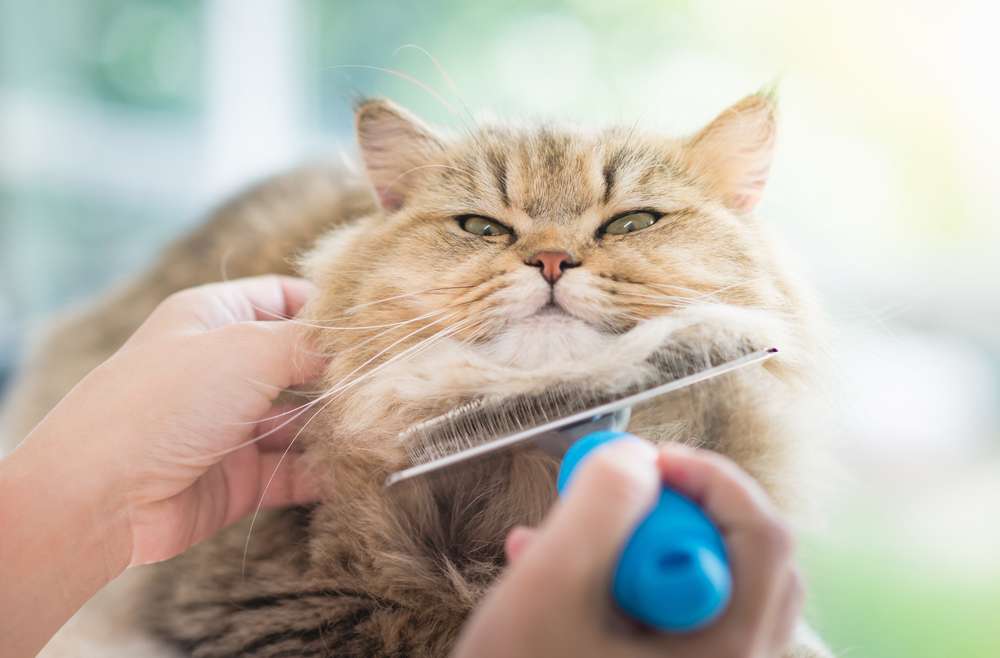
Regular brushing is the cornerstone of long-haired cat grooming. Aim to brush your cat daily or at least several times a week. Start at the head and work your way down the body, following the natural direction of the fur. Be gentle, especially when encountering tangles or mats, as pulling on the fur can cause pain and stress. For stubborn mats, hold the base of the fur close to the skin to minimize discomfort while carefully combing through. Brushing not only keeps the coat smooth and shiny but also reduces hairballs and strengthens the bond between you and your cat.
Dealing with Mats and Tangles
Mats and tangles are common problems in long-haired cats, particularly around the neck, armpits, and belly. Preventing mats is easier than removing them, which is why regular grooming is crucial. If you find a mat, approach it calmly and gently. Use a comb or mat splitter to loosen the fur without pulling harshly on the skin. In extreme cases, professional grooming may be necessary. Maintaining a consistent grooming schedule is the best way to prevent mats and keep your cat comfortable and happy.
Bathing Long-Haired Cats
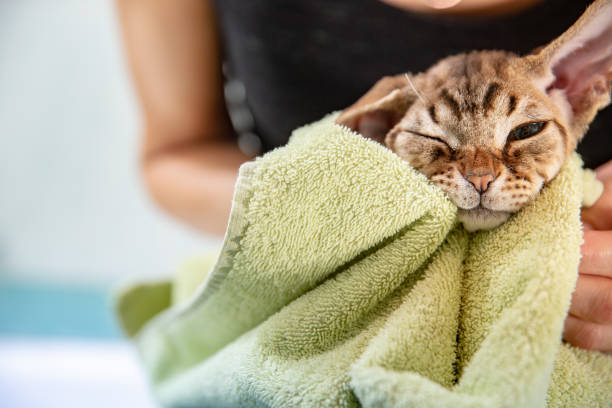
While most cats groom themselves, occasional baths are beneficial for long-haired breeds. Use a cat-safe shampoo and lukewarm water, and avoid submerging your cat completely if they are anxious. Wet the coat gradually and lather gently, paying attention to the areas prone to dirt and oil buildup. Rinse thoroughly to remove all shampoo residue. Drying is equally important—wrap your cat in a towel and gently pat the fur, using a low-heat hair dryer only if your cat tolerates it. Bathing, combined with regular brushing, keeps the coat clean, shiny, and manageable.
Maintaining Paw and Nail Care
Long-haired cats can accumulate fur around their paws, which may trap dirt or litter. Regularly trimming excess fur and keeping the paws clean helps prevent infections and discomfort. Nail trimming is also important to avoid overgrowth, which can lead to scratching injuries or difficulty walking. Approach nail care with patience, trimming only a few nails at a time if your cat is anxious. Over time, your cat will become accustomed to routine paw and nail maintenance.
Creating a Stress-Free Grooming Routine
Consistency and patience are key when grooming long-haired cats. Establish a predictable routine that includes brushing, occasional bathing, and paw care. Choose a quiet, comfortable space, and speak in a soothing tone to help your cat feel safe. Offering treats or affection during and after grooming can reinforce positive behavior. Avoid forcing your cat, as stress can make grooming more difficult. Gradually building tolerance and making grooming a pleasant experience will help your cat remain calm and cooperative.
Monitoring Your Cat’s Skin and Health
Regular grooming sessions are also an opportunity to monitor your cat’s overall health. Check for signs of skin irritation, redness, or unusual lumps while brushing or bathing. Long-haired cats are prone to hairballs, so observing their grooming habits and appetite can help you detect early issues. Addressing skin or coat problems promptly with your veterinarian ensures your cat stays healthy and comfortable.
FAQ Section
How often should I groom my long-haired cat?
Daily brushing is recommended to prevent tangles and mats. Long-haired cats shed more hair, so frequent grooming keeps their coat manageable and reduces hairballs.
What if my cat hates brushing?
Start slowly with short sessions, using treats and gentle petting to create positive associations. Focus on one area at a time and gradually increase the duration as your cat becomes comfortable.
Can I bathe my long-haired cat at home?
Yes, but only with cat-safe shampoo and lukewarm water. Wet the fur gradually, lather gently, and rinse thoroughly. Towel-dry immediately and use a hair dryer only if your cat tolerates it.
How do I prevent mats from forming?
Daily brushing is the most effective way to prevent mats. Pay special attention to areas prone to tangles, and address small knots immediately before they become mats.
When should I seek professional grooming help?
If mats are too tight to remove or your cat becomes overly stressed, a professional groomer can safely handle the situation without causing pain or injury.
Conclusion
Grooming long-haired cats requires attention, patience, and the right techniques, but the benefits are worth the effort. Regular brushing, careful bathing, nail and paw care, and monitoring your cat’s skin health ensure a comfortable, healthy, and beautiful coat. By creating a calm, consistent grooming routine, you can prevent common problems like mats, tangles, and hairballs while strengthening the bond between you and your feline companion. With proper care, your long-haired cat can stay happy, healthy, and stunning for years to come.