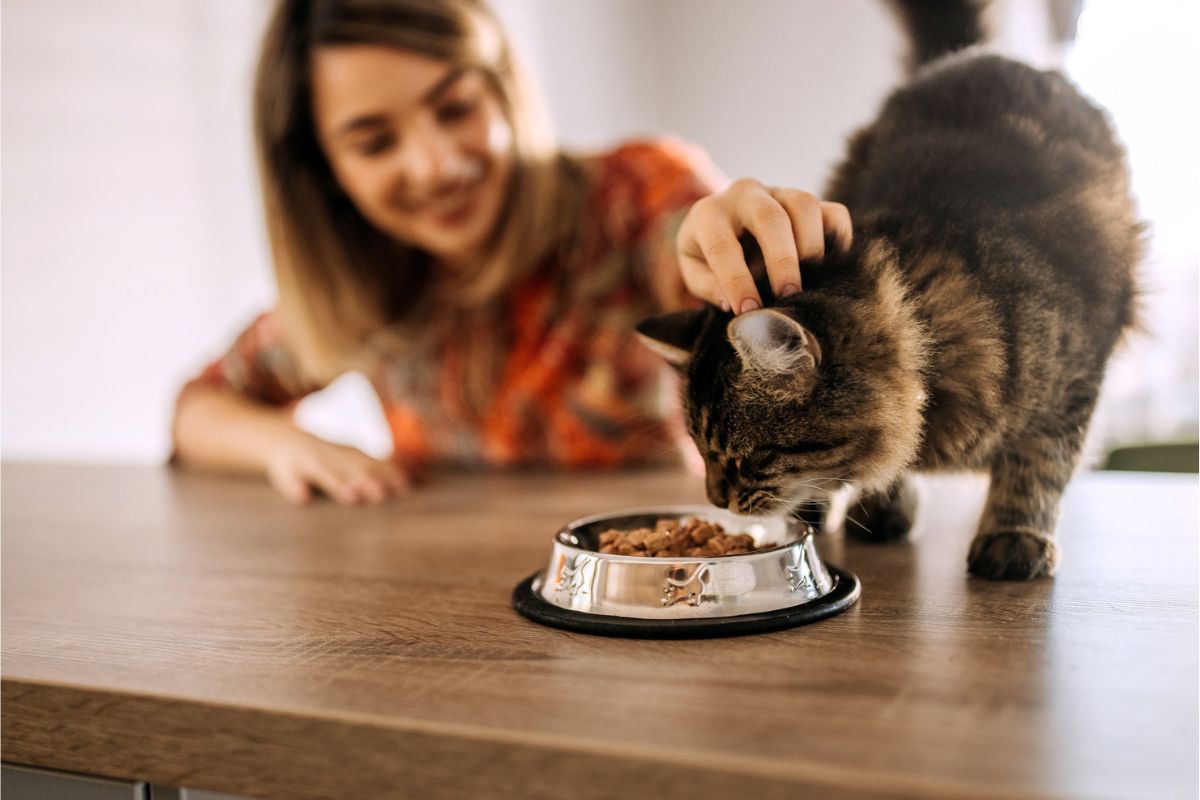


Choosing the right type of cat food can be confusing for many pet owners. With so many options available in 2025, it’s important to understand the differences between wet and dry cat food and how each affects your cat’s health. Both have advantages and drawbacks, and the best choice often depends on your cat’s age, lifestyle, and health condition. This guide will help you make an informed decision and ensure your feline companion receives the nutrition they need to thrive.
Understanding Wet Cat Food
Wet cat food is typically sold in cans, pouches, or trays and contains high moisture content. This type of food closely resembles the natural diet of cats, which is high in protein and water. Wet food can be particularly beneficial for cats that do not drink enough water on their own.
One major advantage of wet food is hydration. Many cats are prone to urinary tract issues and kidney problems, and the additional moisture helps maintain proper urinary and kidney health. Wet food is also highly palatable, making it ideal for picky eaters or cats with reduced appetite. Additionally, it can be easier for senior cats or those with dental issues to chew, which supports comfortable eating and better digestion.
However, wet food has some drawbacks. It is generally more expensive than dry food and must be stored carefully to prevent spoilage. Once opened, it should be refrigerated and used quickly. Wet food can also be messier to serve and may require more frequent feeding.
Understanding Dry Cat Food
Dry cat food, also known as kibble, contains very low moisture and is typically more calorie-dense. It is convenient, easy to store, and usually more affordable than wet food. Dry food is widely available and comes in a variety of formulas to meet different nutritional needs, such as weight management, hairball control, or sensitive stomachs.
A significant advantage of dry food is dental support. Chewing kibble can help reduce plaque and tartar buildup, supporting overall oral health. It is also easy to portion and feed throughout the day, which is helpful for busy pet owners. Dry food has a longer shelf life, making it a practical choice for long-term storage.
On the downside, dry food contains less moisture, which can be a concern for cats that don’t drink enough water. Some dry foods may also include fillers or artificial additives, so it’s important to choose high-quality brands that prioritize real meat and natural ingredients.
Nutritional Differences Between Wet and Dry Food
Both wet and dry cat foods provide essential nutrients, but the concentration and source can differ. Wet food usually contains higher protein levels and fewer carbohydrates, which aligns closely with a cat’s natural diet. It is also less processed, retaining more moisture and often more palatable ingredients.
Dry food often contains more carbohydrates to maintain its shape and structure, which can be less ideal for obligate carnivores. However, high-quality dry foods are formulated to include essential proteins, vitamins, minerals, and functional nutrients like taurine and omega-3 fatty acids. Understanding these differences helps pet owners choose the food that best meets their cat’s dietary requirements.
Age and Health Considerations
The choice between wet and dry food may depend on your cat’s life stage and health condition. Kittens often benefit from high-protein wet food that supports growth, while adult cats may do well on either wet or dry food, depending on their activity level. Senior cats, especially those with kidney problems or dental issues, may require wet food for easier consumption and hydration.
Cats with specific health concerns, such as urinary tract problems, obesity, or allergies, may require a tailored diet. Wet food is generally better for hydration and urinary health, while dry food can help maintain weight and dental health when used correctly. Always consult your veterinarian to determine the most appropriate food type for your cat’s individual needs.
Combining Wet and Dry Food
Many cat owners find that a combination of wet and dry food provides the best balance. Feeding wet food ensures proper hydration and adds variety to the diet, while dry food offers convenience, dental support, and controlled portioning. By mixing both, you can address multiple nutritional needs while keeping mealtime interesting for your cat.
Transitioning between wet and dry food should be gradual to avoid digestive upset. Mix small amounts of the new food with the old food over 7–10 days, increasing the ratio until your cat is fully accustomed. Monitor your cat’s appetite, stool quality, and energy levels during this period to ensure they tolerate the change well.
Frequently Asked Questions About Wet and Dry Cat Food
1. Can I feed only wet food?
Yes, many cats thrive on an all-wet diet if it is complete and balanced. Ensure the food provides all essential nutrients and monitor hydration and weight.
2. Can I feed only dry food?
Yes, but ensure your cat drinks plenty of water daily. Choose high-quality dry food with real meat and balanced nutrients.
3. Is wet food better for senior cats?
Often, yes. Wet food is easier to chew, more palatable, and provides hydration, which supports kidney and urinary health.
4. How do I prevent my cat from overeating dry food?
Measure portions carefully and feed at scheduled times. Free-feeding can lead to obesity, especially in less active cats.
5. Can combining wet and dry food cause digestive problems?
Not if the transition is gradual. Slowly mixing wet and dry food over a week helps your cat adjust and avoids digestive upset.
Conclusion
Both wet and dry cat foods offer distinct benefits, and the best choice depends on your cat’s age, health, and lifestyle. Wet food provides hydration, palatability, and ease of chewing, making it ideal for picky, senior, or health-sensitive cats. Dry food offers convenience, dental support, and long shelf life. Combining both can provide a balanced approach that meets multiple nutritional needs. Always prioritize high-quality ingredients, check for complete nutrition, and consult your veterinarian when choosing or transitioning your cat’s food. By understanding the differences between wet and dry food, you can ensure your cat enjoys a long, healthy, and happy life.