
Cats with sensitive stomachs or food allergies require special attention when choosing their diet. Digestive issues, vomiting, diarrhea, and skin problems can all indicate that your cat’s food is not suitable for their system. In 2025, the market offers many specialized formulas, but selecting the right one can be confusing. This guide will help you understand the best ingredients, foods to avoid, and tips for safely transitioning your cat to a diet that supports their digestion and overall health.
Understanding Sensitive Stomachs and Allergies in Cats
A sensitive stomach occurs when a cat struggles to digest certain foods, leading to upset stomach, gas, or inconsistent stool. Food allergies, on the other hand, trigger an immune response to specific proteins or ingredients, causing skin irritation, itching, or hair loss.
Common allergens include beef, dairy, wheat, corn, and fish. Recognizing the difference between a sensitive stomach and an allergy is important because the dietary approach differs. A vet can help determine the underlying cause through observation, elimination diets, or allergy testing.
High-Quality Protein: The Key Ingredient
Protein is essential for all cats, but high-quality, easily digestible proteins are critical for cats with sensitive stomachs. Chicken, turkey, lamb, or limited novel proteins like rabbit or venison are often well-tolerated.
Avoid generic “meat by-products” or unknown protein sources, as they can trigger allergies or digestive issues. Limited-ingredient diets focusing on a single protein source reduce the risk of allergic reactions and help identify triggers.
Carbohydrates: Choose Gentle Options
Carbohydrates can affect digestion in cats with sensitive stomachs. Easily digestible carbs such as rice, oats, and sweet potatoes are preferable. Grains like corn, wheat, and soy are more likely to cause digestive upset or allergic reactions in sensitive cats.
Grain-free diets may help some cats, but not all. Ensure that alternatives like peas or potatoes do not create excessive carbohydrates, which can lead to weight gain or further digestive issues.
Fats and Fatty Acids for Digestive Health
Fats provide energy and essential fatty acids for skin and coat health. Cats with sensitive stomachs benefit from moderate fat content and easily digestible sources like chicken fat or fish oil.
Omega-3 and omega-6 fatty acids can reduce inflammation, improve coat quality, and support overall digestive health. Avoid overly fatty foods, which may worsen diarrhea or vomiting in sensitive cats.
Vitamins, Minerals, and Supplements
Cats with allergies or sensitive stomachs may require additional vitamins or minerals to support their health. Probiotics, for instance, can improve gut flora and aid digestion, while vitamins like B-complex help metabolism and energy.
Calcium and phosphorus balance is important for bone and dental health. Always choose foods formulated to meet AAFCO standards or consult your vet to add supplements safely.
Avoiding Common Problem Ingredients
-
Artificial Colors and Flavors: Can trigger allergies and digestive upset.
-
Chemical Preservatives: BHA, BHT, and ethoxyquin may cause long-term health risks.
-
Dairy Products: Many cats are lactose intolerant.
-
Excessive Fillers: Corn, wheat, soy, or generic starches can irritate sensitive digestive systems.
-
Novel Protein Reactions: Some cats react to fish or beef; rotate proteins carefully.
Reading ingredient labels carefully helps you avoid these triggers and choose food that supports digestion and health.
Wet vs Dry Food: Which Is Better for Sensitive Cats?
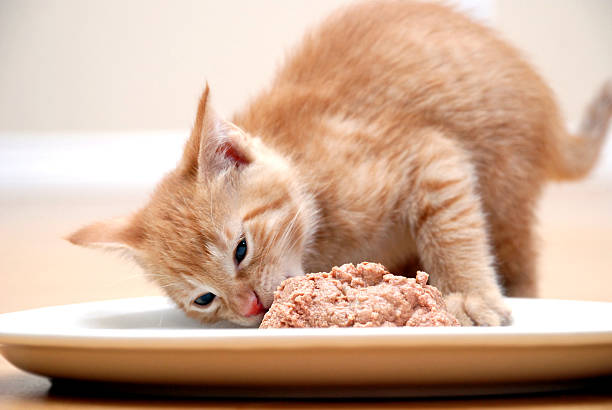
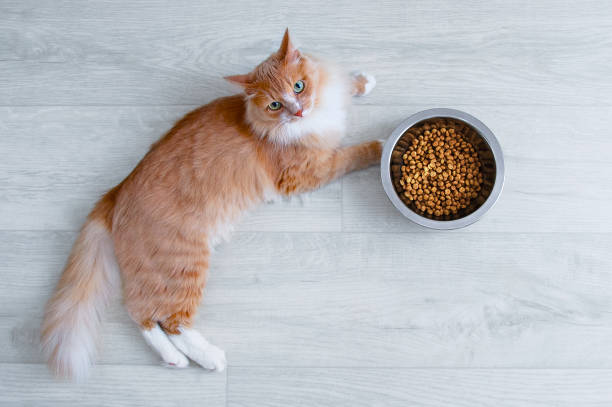
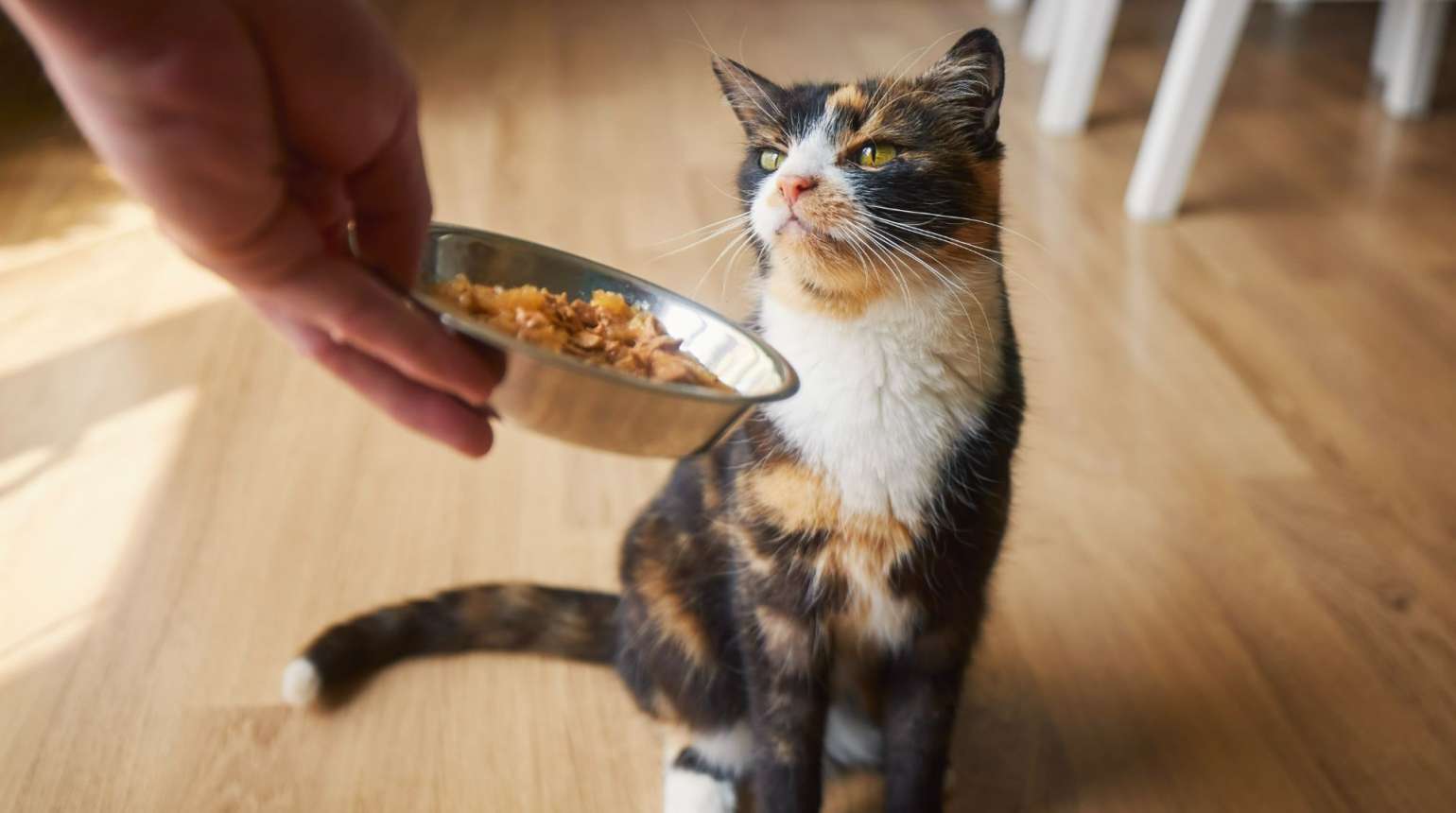
Wet food is often recommended for cats with sensitive stomachs because it is easier to digest, contains higher moisture content, and helps prevent urinary issues. Dry food can be convenient, but some formulas contain fillers that irritate sensitive cats.
A combination approach may work best: wet food for hydration and gentle digestion, with limited dry food for dental support. Monitor your cat’s stool, appetite, and energy when introducing new foods.
Transitioning to a Sensitive Stomach Diet Safely
Switching diets abruptly can worsen digestive problems. Follow these steps for a smooth transition:
-
Consult Your Veterinarian: Rule out underlying medical issues before changing diets.
-
Gradual Introduction: Mix the new food with the old food over 7–10 days, increasing the new food’s proportion gradually.
-
Monitor Your Cat: Observe stool consistency, appetite, energy, and coat condition.
-
Portion Control: Feed according to recommended caloric intake to avoid weight gain or deficiencies.
-
Keep a Food Journal: Track reactions to identify triggers and assess improvement.
Frequently Asked Questions About Cat Food for Sensitive Stomachs
1. How do I know if my cat has a food allergy or a sensitive stomach?
Food allergies often cause skin issues, itching, or hair loss, while sensitive stomachs typically cause vomiting, diarrhea, or gas. A vet can help identify the cause.
2. Are grain-free diets always better for sensitive cats?
Not always. Some cats tolerate grains like rice or oats better than alternative carbs. Focus on digestibility and ingredient quality.
3. Can probiotics help my cat’s digestion?
Yes. Probiotics can improve gut flora, aid digestion, and reduce gastrointestinal upset in sensitive cats.
4. How long does it take to see improvement on a new diet?
Improvements are often noticeable within 2–4 weeks, but severe allergies may take longer. Consistency is key.
5. Can I feed treats to a cat with a sensitive stomach?
Limit treats and choose hypoallergenic or vet-approved options to avoid triggering digestive issues.
Conclusion
Choosing the best cat food for sensitive stomachs and allergies requires attention to ingredient quality, protein sources, and carbohydrate content. Wet food often supports digestion and hydration, while limited-ingredient or novel protein diets help reduce allergic reactions. Avoid fillers, artificial additives, and common allergens, and always transition diets gradually. By monitoring your cat’s health, consulting your veterinarian, and choosing high-quality foods, you can help your feline companion enjoy better digestion, a healthier coat, and overall well-being in 2025.