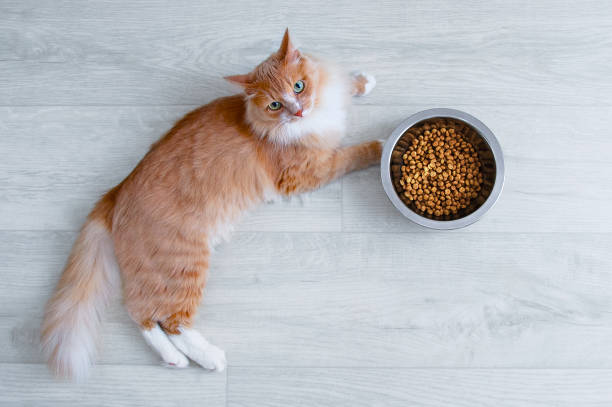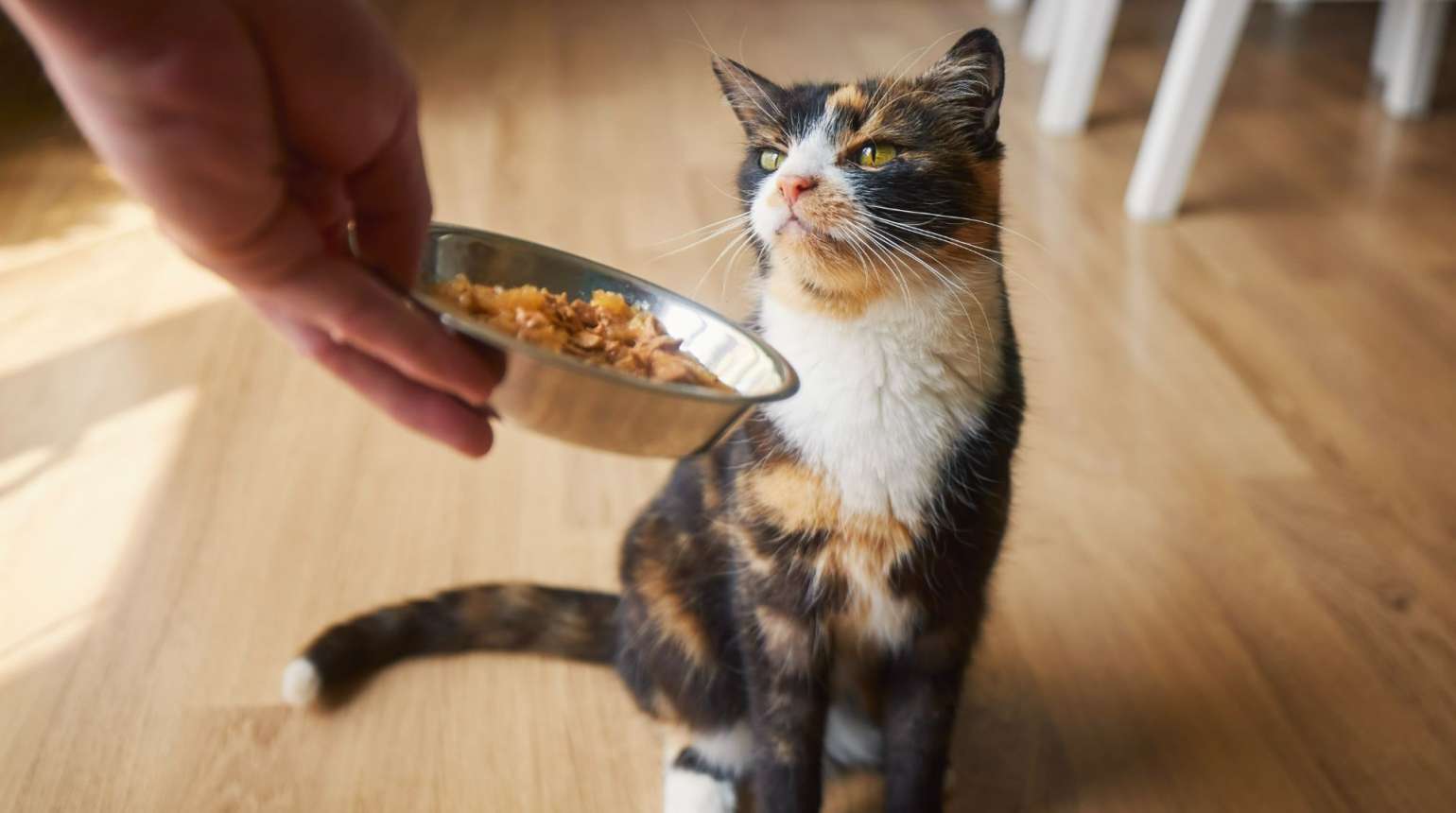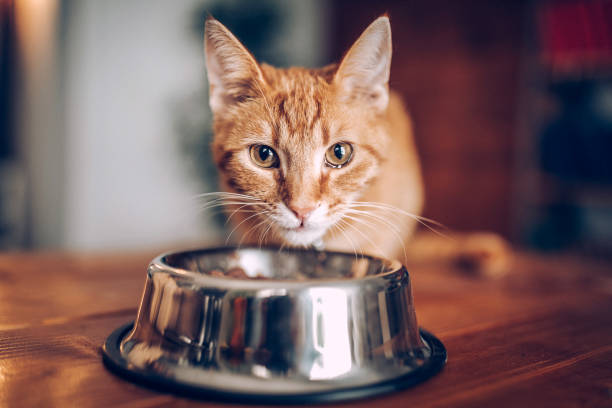

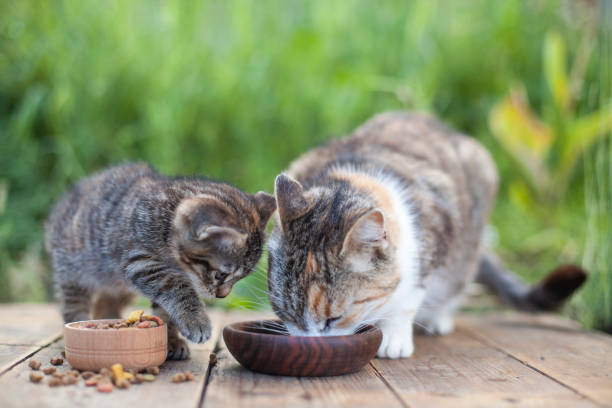
Cats are skilled at hiding discomfort, but their health often reflects through weight, energy, and coat condition. A sudden change in appetite, weight, or behavior can indicate that your cat’s current diet isn’t meeting their needs. Knowing the signs that your cat requires a diet change—and how to implement it safely—is essential for maintaining their health in 2025. This guide will help you identify warning signs, understand nutritional needs, and transition your cat to a healthier diet effectively.
Sign 1: Unexplained Weight Gain or Obesity
Weight gain is one of the most obvious indicators that a cat’s diet may need adjustment. Cats can gain weight due to overfeeding, high-calorie foods, or low activity levels. Obesity can lead to serious health issues like diabetes, joint problems, and heart disease.
If your cat has visibly gained weight, you may need to reduce portion sizes, switch to a lower-calorie food, or increase their activity. Always measure food portions instead of free-feeding, and consider dividing meals into two daily feedings to regulate intake.
Sign 2: Sudden Weight Loss or Muscle Wasting
Conversely, unexplained weight loss or muscle loss may indicate inadequate nutrition, underlying illness, or malabsorption of nutrients. Cats losing weight may not be eating enough, or their food may lack sufficient protein and calories.
A diet change focusing on high-quality, protein-rich food can help restore energy and maintain muscle mass. Veterinary consultation is crucial to rule out medical causes before switching diets.
Sign 3: Dull or Brittle Coat
A healthy cat’s coat is shiny, smooth, and soft. A dull, brittle, or patchy coat often signals a lack of essential nutrients, particularly protein and fatty acids. Low-quality foods, or diets with excessive fillers, may contribute to poor coat condition.
Switching to a nutrient-rich diet with high-quality proteins, omega-3, and omega-6 fatty acids can improve skin and coat health over several weeks. Supplements may be considered if recommended by your veterinarian.
Sign 4: Low Energy or Lethargy
Cats may become lethargic if their current diet fails to provide enough calories, protein, or essential nutrients. A sudden drop in energy, lack of playfulness, or reluctance to exercise may suggest nutritional deficiencies or imbalanced food.
Transitioning to a diet with balanced nutrients, higher-quality protein, and appropriate calorie content can restore vitality. Be sure to monitor your cat’s energy levels after switching foods to ensure improvements.
Sign 5: Digestive Problems
Frequent vomiting, diarrhea, constipation, or excessive gas may indicate that your cat’s diet isn’t agreeing with their digestive system. Foods with low-quality ingredients, high fillers, or artificial additives can trigger these issues.
Switching to easily digestible food with quality proteins, moderate fiber, and natural ingredients can reduce gastrointestinal distress. Gradual introduction is important to prevent further digestive upset.
Safe Steps to Change Your Cat’s Diet
Changing your cat’s diet requires patience and careful planning. Sudden changes can upset their digestive system and lead to food aversions. Here’s how to do it safely:
-
Consult Your Veterinarian: Discuss your cat’s health, weight, and dietary needs before making changes.
-
Gradual Transition: Mix the new food with the current food, increasing the new food’s ratio over 7–10 days.
-
Monitor Your Cat: Watch for appetite changes, stool consistency, energy levels, and overall behavior.
-
Adjust Portions Carefully: Ensure the total daily calories remain appropriate to avoid weight gain or loss.
-
Choose High-Quality Food: Prioritize foods with real meat, balanced nutrients, and minimal fillers or artificial additives.
When to Consider Special Diets
Some cats may require specialized diets due to health conditions:
-
Weight Management Diets: For overweight cats to reduce calories while maintaining protein intake.
-
Urinary Health Formulas: Prevent urinary tract issues with controlled mineral content.
-
Senior Cat Diets: Lower calories, higher protein quality, and joint-supporting nutrients.
-
Hypoallergenic or Limited Ingredient Diets: For cats with food allergies or sensitivities.
Always consult a veterinarian before starting a special diet, as improper implementation can harm your cat’s health.
Tips for Maintaining a Healthy Cat Diet
-
Measure Food: Use a measuring cup or scale for accuracy.
-
Feed on Schedule: Regular meal times help prevent overeating and regulate metabolism.
-
Provide Fresh Water: Hydration is critical, especially for cats eating primarily dry food.
-
Monitor Weight Monthly: Adjust portions gradually to maintain a healthy body condition.
-
Observe Behavior and Coat: These are reliable indicators of diet effectiveness.
Frequently Asked Questions About Cat Diet Changes
1. How quickly should I switch my cat’s food?
Transition gradually over 7–10 days by mixing new and old food to avoid digestive upset.
2. Can I switch to a grain-free or organic diet safely?
Yes, but monitor calorie intake, nutritional balance, and your cat’s response to the new food.
3. My cat is overweight but picky—what can I do?
Choose high-protein, lower-calorie foods, offer small frequent meals, and gradually encourage activity. Consult your vet if needed.
4. How do I know if my cat’s new diet is working?
Look for stable weight, improved energy, shiny coat, and regular digestion. Monitor these indicators over several weeks.
5. Should I use treats when changing my cat’s diet?
Limit treats during a transition to prevent calorie imbalance and ensure your cat adapts to the new food. Choose healthy, low-calorie treats if needed.
Conclusion
Recognizing the signs that your cat needs a diet change is crucial for maintaining long-term health. Weight fluctuations, coat condition, energy levels, and digestive issues can all signal that adjustments are necessary. Transitioning safely, choosing high-quality food, and consulting your veterinarian ensures your cat receives balanced nutrition tailored to their life stage and health needs. By staying attentive to these signs and implementing changes carefully, you can support your cat’s vitality, happiness, and well-being in 2025 and beyond.