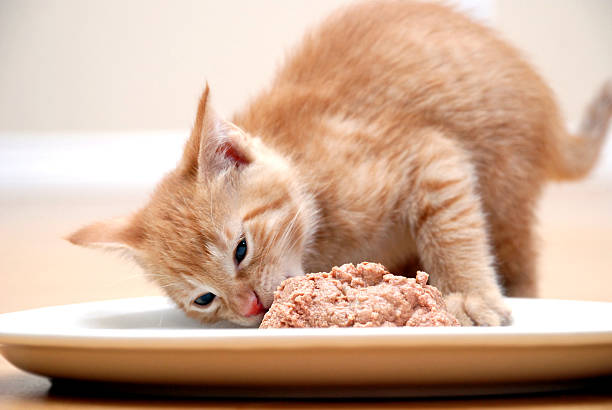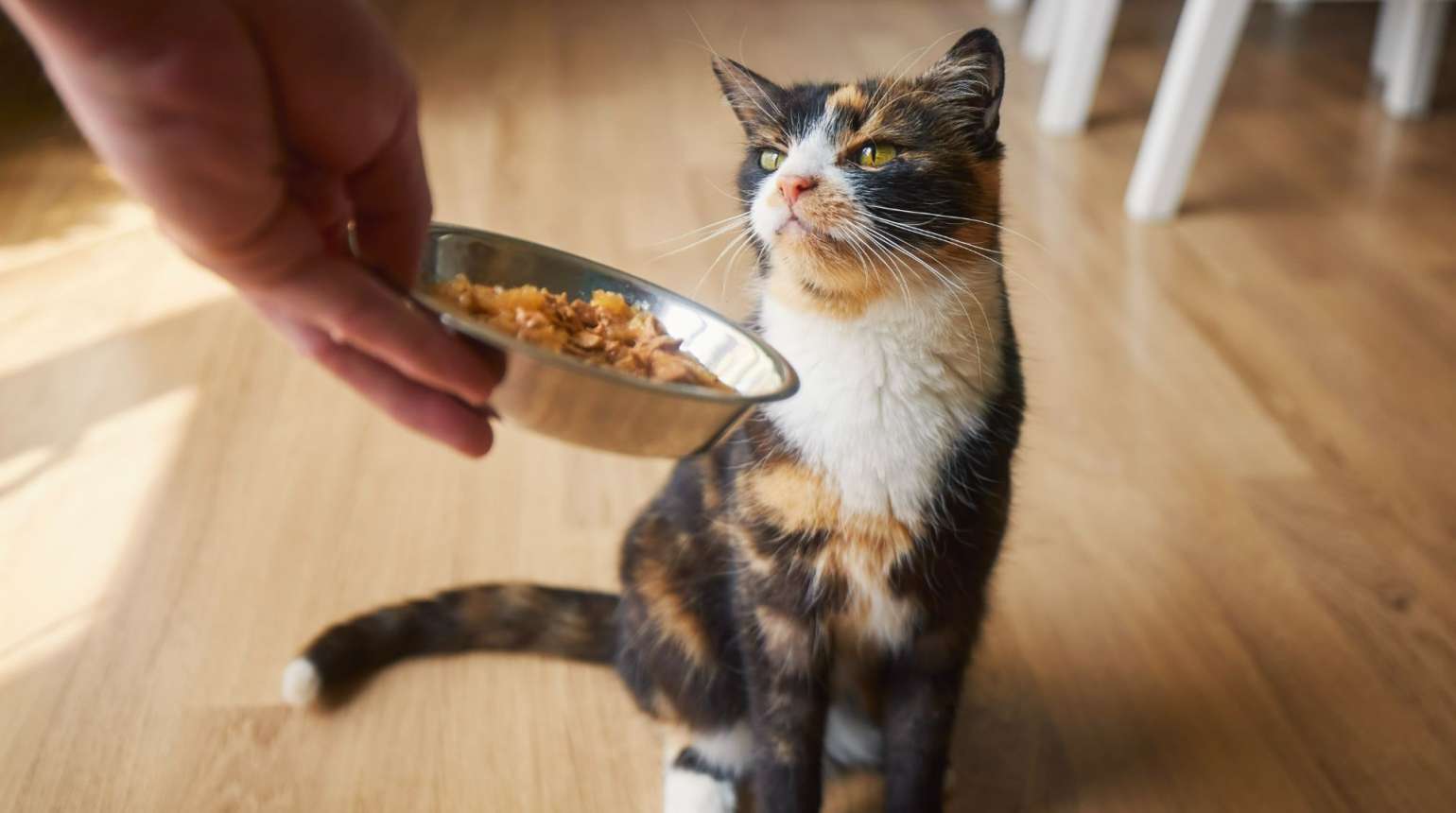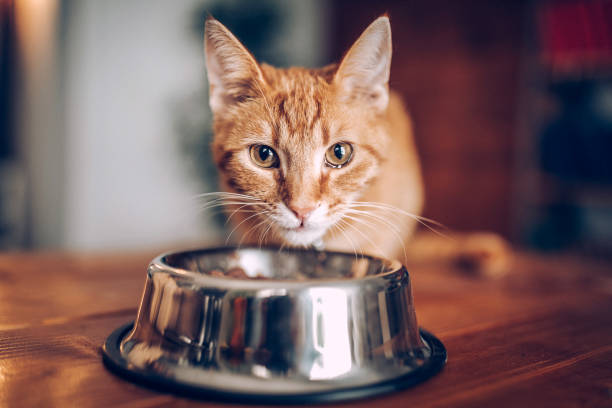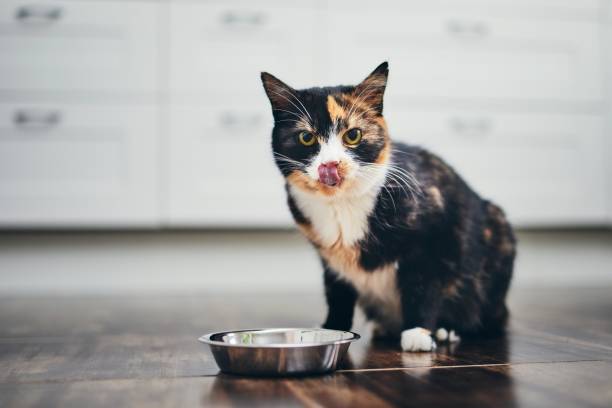

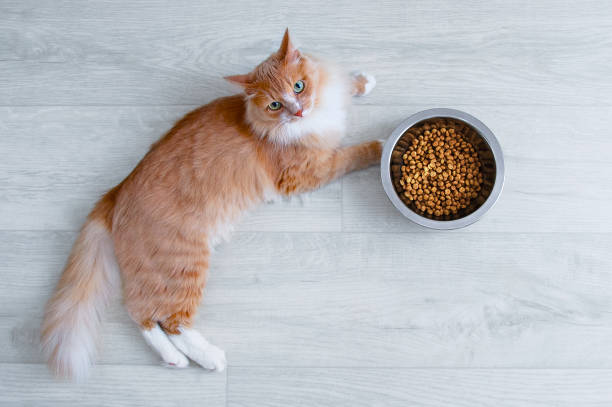
With the rising interest in pet health and nutrition in 2025, many cat owners are exploring homemade cat food. Preparing meals at home gives you control over ingredients and quality, but it also comes with risks if not done correctly. Homemade cat food can be nutritious and safe when properly balanced, but mistakes can lead to deficiencies or health issues. This guide explains the pros and cons, offers safe recipe ideas, and helps you decide whether homemade cat food is right for your feline companion.
Pros of Homemade Cat Food
-
Full Control Over Ingredients
Making your cat’s food at home allows you to choose high-quality proteins, vegetables, and supplements. You can avoid fillers, artificial additives, preservatives, and allergens that are common in commercial foods. -
Customization for Health Needs
Homemade diets can be tailored to your cat’s age, weight, activity level, or medical conditions. For example, you can adjust protein for seniors or use hypoallergenic ingredients for sensitive cats. -
Improved Palatability
Many cats prefer the taste and texture of fresh, homemade meals, increasing appetite and enjoyment at mealtime. -
Transparency and Trust
You know exactly what goes into your cat’s food, which provides peace of mind about quality and sourcing.
Cons of Homemade Cat Food
-
Risk of Nutritional Imbalance
Cats require specific nutrients, such as taurine, calcium, and essential fatty acids. Without proper formulation, homemade diets can cause serious deficiencies. -
Time and Effort
Preparing balanced meals daily or even weekly can be time-consuming and requires careful planning. -
Cost Considerations
High-quality ingredients may be more expensive than commercial cat foods. -
Potential Health Risks
Improper cooking, incorrect supplements, or toxic ingredients like onions, garlic, or chocolate can harm your cat. Professional guidance is often necessary.
Essential Nutrients to Include in Homemade Cat Food
-
Protein: Cats need high-quality animal protein from chicken, turkey, fish, or beef.
-
Taurine: An essential amino acid critical for heart, vision, and reproductive health.
-
Fats: Provide energy and support skin, coat, and brain health. Include omega-3 and omega-6 fatty acids.
-
Vitamins and Minerals: Calcium, phosphorus, vitamin A, and vitamin D are vital. Commercial supplements are often required to ensure proper balance.
-
Water: Hydration is crucial, especially if feeding primarily dry ingredients.
Safe Homemade Cat Food Recipes to Try
1. Chicken and Rice Delight
-
Ingredients: 1 cup cooked chicken (shredded), 1/4 cup cooked rice, 1 tsp fish oil, 1/4 tsp taurine supplement
-
Instructions: Mix ingredients thoroughly, allow to cool, and serve in measured portions. Store leftovers in the refrigerator for up to 3 days.
2. Salmon and Pumpkin Mash
-
Ingredients: 1 cup cooked salmon (boneless), 2 tbsp cooked pumpkin, 1 tsp olive oil, taurine supplement
-
Instructions: Blend salmon and pumpkin, add oil and supplement, mix well, and serve. Pumpkin aids digestion and supports bowel health.
3. Turkey and Veggie Mix
-
Ingredients: 1 cup ground turkey (cooked), 1/4 cup steamed carrots, 1/4 cup green beans, fish oil, taurine supplement
-
Instructions: Chop or blend vegetables, mix with turkey, add supplement, and serve. This provides protein, fiber, and essential nutrients.
Important: Always consult your veterinarian or a feline nutritionist to ensure homemade recipes meet your cat’s nutritional needs. Supplements are usually necessary to avoid deficiencies.
Tips for Feeding Homemade Cat Food Safely
-
Consult Professionals: Work with a vet or pet nutritionist before starting homemade meals.
-
Introduce Gradually: Mix new homemade food with current food to prevent digestive upset.
-
Measure Portions: Ensure balanced calorie intake to maintain healthy weight.
-
Avoid Toxic Foods: Never include onions, garlic, chocolate, grapes, or artificial sweeteners.
-
Rotate Proteins: Include a variety of safe proteins to ensure nutrient diversity.
Frequently Asked Questions About Homemade Cat Food
1. Can homemade cat food replace commercial food entirely?
Yes, but only if it is properly balanced with supplements and meets all nutritional requirements. Consult a vet before full transition.
2. How long can homemade cat food be stored?
Refrigerate for up to 3 days and freeze portions for longer storage (up to 1 month). Always thaw safely before feeding.
3. Is it expensive to make homemade cat food?
High-quality ingredients can be costly, but careful planning and bulk purchases can help manage expenses.
4. How do I ensure my cat gets taurine?
Taurine is essential and often missing in homemade diets. Use a vet-approved supplement or include taurine-rich ingredients like certain meats and fish.
5. Can kittens eat the same homemade food as adults?
Kittens require more calories, protein, and certain nutrients for growth. Modify recipes and consult your veterinarian for age-appropriate formulations.
Conclusion
Homemade cat food offers control, quality, and customization but requires careful planning and attention to nutrition. While it can enhance your cat’s palatability and address specific health needs, improper formulation can lead to deficiencies and health risks. Safe recipes, essential supplements, and professional guidance are key to success. By understanding the pros, cons, and proper preparation, you can provide your cat with fresh, nutritious meals that support long-term health, energy, and well-being in 2025 and beyond.